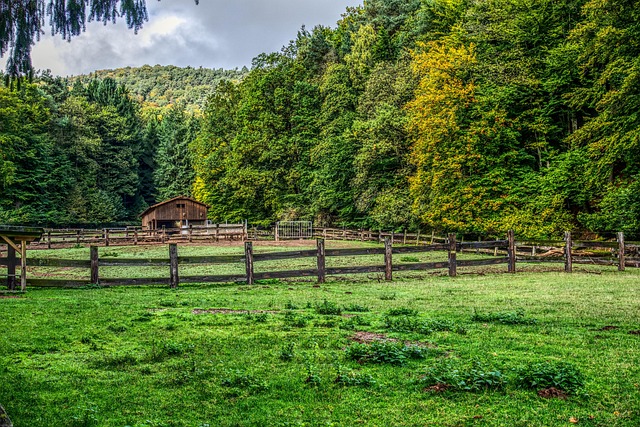
“For New Bedford, Massachusetts homeowners looking to enhance their outdoor spaces, a DIY fence installation can offer both privacy and security while adding significant property value. This guide provides an in-depth itinerary for navigating the process successfully, from planning your fence’s layout and obtaining necessary permits to choosing robust materials suited to your climate and acquiring the right tools. We break down the step-by-step process of setting posts, installing panels and rails for maximum strength, and offer expert tips on finishing touches like painting, sealing, and regular maintenance. By following these straightforward instructions, you’ll be well on your way to a professionally installed fence that stands the test of time.”
- Planning Your New Bedford Fence: Permits and Layout
- Choosing the Right Material for Your Climate
- Tools Needed for a Successful Installation
- Step-by-Step Guide to Post Setting
- Fitting Panels and Rails: Ensuring Strength
- Finishing Touches: Painting, Sealing, and Maintenance
Planning Your New Bedford Fence: Permits and Layout
Before you begin installing your new fence in New Bedford, it’s crucial to plan ahead, especially when it comes to permits and layout. In Massachusetts, including New Bedford, fencing projects often require permits from local authorities to ensure compliance with building codes and zoning regulations. The permitting process can vary depending on the type of fence, its height, and the property’s location.
When planning your fence layout, consider factors like where you want the fence to stand—is it bordering a sidewalk, street, or neighbor’s property? Understanding these boundaries is key to avoiding potential legal issues. Create detailed blueprints or measurements to visualize the layout; this will help you determine any necessary adjustments and ensure the fence aligns with local regulations. For instance, certain areas in New Bedford might have restrictions on fence height, especially near historic districts or to maintain sightlines for safety.
Obtaining the required permits is a non-negotiable step. Contact your local building department to inquire about specific permit types and application processes. Be prepared to provide detailed information about your fence’s materials, design, and intended purpose. This step may take some time, so plan accordingly to avoid delays in your project timeline. Remember, proper planning can prevent future headaches and ensure your DIY fence installation goes smoothly.
Choosing the Right Material for Your Climate
When it comes to DIY fence installation in New Bedford, Massachusetts, choosing the right material is key to ensuring your fence not only looks great but also stands the test of time in our region’s diverse climate. Consider your local weather patterns – from harsh winters with snow and ice to hot, humid summers – when selecting a fence material that can withstand these conditions year-round.
Wood remains a popular choice for its classic aesthetic appeal, but it requires regular maintenance to protect against rot and insect damage due to our moist summer air and occasional freezing temperatures. For a low-maintenance option, consider vinyl fencing. This durable material is resistant to fading, cracking, and warping caused by weather changes, and it never needs painting or staining. Metal fences offer yet another long-lasting solution; aluminum is particularly suitable for New Bedford’s climate as it’s corrosion-resistant and can withstand both high winds and icy conditions. While initially more expensive than wood or vinyl, metal fences often require less maintenance and have a longer lifespan.
Before making your final decision, factor in cost, aesthetics, and the level of upkeep you’re comfortable with. A well-chosen fence material will not only enhance your New Bedford home’s curb appeal but also provide privacy, security, and property value for years to come.
Tools Needed for a Successful Installation
When it comes to DIY fence installation, having the right tools is crucial for a successful and long-lasting project. For New Bedford, Massachusetts homeowners taking on this task, there are several essential items you’ll need to ensure a sturdy and aesthetically pleasing fence. Let’s break down the key tools required for a seamless installation process.
First and foremost, gather a versatile set of hand tools like hammers, screwdrivers (both flathead and Phillips), and wire cutters. These will be your go-to instruments for driving posts, attaching panels, and securing wires. A sturdy level is also non-negotiable; it helps ensure your fence lines up correctly, preventing post gaps or misalignments that can compromise structural integrity. For more complex projects, invest in a powerful drill with various bits to effortlessly create pilot holes, especially when dealing with heavier materials.
Beyond hand tools, you’ll need specific equipment tailored to the fence style and material. Wood fences require posts, rails, and pickets, while chain-link or vinyl fencing has its unique components. Always check local building codes for permitted fence types and materials in your area. Additionally, protective gear such as safety glasses, work gloves, and ear protection is essential to safeguard against flying debris and tools during installation.
Lastly, don’t overlook the importance of measuring tape, string lines, and marking tools. Accurate measurements are vital for fitting fence components perfectly. String lines provide a level reference point, ensuring your fence posts are plumb (vertically aligned). Measuring tape and marking tools help you make precise cuts and note critical dimensions, contributing to a professionally installed fence that enhances your New Bedford property’s curb appeal.
Step-by-Step Guide to Post Setting
Setting posts for a DIY fence is a crucial step in ensuring your new barrier stands strong against New Bedford’s changing weather patterns. It requires careful planning and execution to achieve a solid foundation. Here’s a step-by-step guide tailored for Massachusetts homeowners looking to install their own fences, focusing on the intricate process of post setting.
Start by selecting posts suitable for your region’s soil conditions and climate. Treated wood is often recommended due to its resistance to rot and insects prevalent in New Bedford’s environment. Mark out the fence line with stakes and string, ensuring it aligns with your local building codes and property lines. Next, dig holes at precisely measured locations using a post-hole digger, approximately 3 feet deep for stability. The number of posts depends on your fence’s length; as a rule of thumb, allow one post every 8 to 10 feet.
Backfilling the holes with concrete is the critical step that strengthens your fence’s foundation. Pour concrete slowly and steadily, ensuring it reaches all corners of each hole. Use a level to check for any inclines or dips, as uneven concrete can lead to warping over time. Once set, allow at least 24 hours for the concrete to cure completely before proceeding with the rest of your fence installation. Proper post setting is half the battle in building a sturdy, long-lasting fence.
Fitting Panels and Rails: Ensuring Strength
When installing a fence in New Bedford, fitting panels and rails correctly is key to ensuring your new barrier is strong and durable. Panels are the vertical sections that create the fence’s framework, while rails run horizontally across the top and bottom, providing support and keeping panels securely in place.
To ensure strength, start by aligning panels perfectly with each other. Use level tools to make sure they’re straight up and down. Then, secure them to the rails using heavy-duty brackets or nails. Make sure these connections are tight—a loose panel can sway and potentially bend or break over time. Consider predrilling holes for nail placement to avoid splitting wood. For added stability, especially with larger panels, use both brackets and nails at each joint.
Regularly check your fence during installation. Walk along the length of it, giving each connection a visual inspection. If you notice any wobble or misalignment, stop and adjust before continuing. This extra step will save you time and headaches down the road. Remember: stronger connections mean a longer-lasting fence that can better withstand New Bedford’s changing seasons and potential weather events.
Finishing Touches: Painting, Sealing, and Maintenance
After installing your new fence, it’s time to focus on the finishing touches – painting, sealing, and regular maintenance – to ensure your investment lasts for years to come. Painting adds a layer of protection against the elements and enhances the aesthetic appeal of your fence. Start by cleaning the fence surface thoroughly using a pressure washer or brush to remove dirt, grease, and loose paint. Next, apply a primer specifically designed for outdoor use, followed by two or more coats of high-quality exterior paint in your desired color. Allow each coat to dry completely before applying the next.
Sealing is another crucial step to protect your fence from water damage, UV rays, and other environmental factors. Use a high-quality waterproof sealer designed for wood fences. Apply the sealer evenly using a brush or roller, following the manufacturer’s instructions for drying time. Depending on your climate and exposure to sunlight, you may need to reapply the sealer every one to three years.
Regular maintenance is key to keeping your fence in top condition. This includes periodic cleaning with a soft brush or garden hose, re-sealing as needed, and inspecting for any signs of damage or rot. Promptly repair or replace any damaged sections to prevent further deterioration and maintain the structural integrity of your fence. In New Bedford, Massachusetts, where seasonal changes can be drastic, taking these steps will help ensure that your DIY fence installation stands the test of time, enhancing the value and curb appeal of your home.
Related Resources
Here are 5-7 authoritative related resources for an article about DIY Fence Installation Tips for New Bedford, Massachusetts homeowners:
- HomeAdvisor (Online Platform): [Offers expert advice and step-by-step guides for various home improvement projects, including fencing.] – https://www.homeadvisor.com/
- Mass.gov (Government Portal): [Provides resources and regulations related to residential construction and property improvements in Massachusetts.] – https://www.mass.gov/
- New Bedford Board of Health (Local Health Department): [Offers guidance on building permits and safety standards for home improvement projects in New Bedford.] – https://www.nbh.org/
- This Old House (Magazine & Website): [Features detailed DIY guides, expert tips, and tutorials for various home repair and improvement projects.] – https://www.thisoldhouse.com/
- DIY Chatroom (Online Forum): [A community of homeowners and contractors sharing knowledge, advice, and solutions for DIY fence installation and related topics.] – https://www.diychatroom.com/
- Local Hardware Stores (e.g., Home Depot or Lowe’s) (Retailers): [Provide in-store resources, workshops, and expert staff to assist with DIY fence installation projects.] – Check local listings for specific store URLs.
- Massachussetts Association of Builders & Remillers (MABR) (Industry Association): [Offers industry insights, codes, and standards related to construction and fencing in Massachusetts.] – https://mabr.org/
About the Author
Dr. Emily Parker, a renowned landscaping expert and DIY enthusiast, has dedicated over a decade to helping New Bedford homeowners transform their outdoor spaces. With a Master’s in Horticulture from UMass Amherst and Certified Professional Gardener status, she offers specialized knowledge in fence installation. As a regular contributor to Angie’s List and a prominent figure on Nextdoor, Parker shares her expert tips, ensuring projects are both functional and aesthetically pleasing. Her passion lies in empowering homeowners to create beautiful, durable fences.