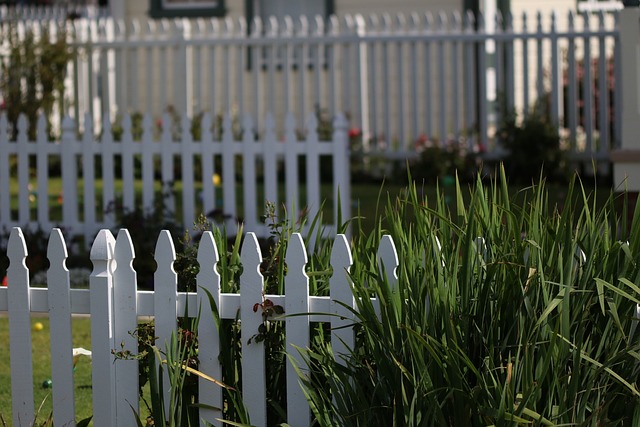
In New Bedford, Massachusetts, where seasonal weather can vary drastically, proper fence maintenance is essential to preserve your property’s investment. This guide navigates the crucial aspects of keeping your fence in top condition year-round. We explore the unique climatic challenges of the region and offer a comprehensive checklist for pre-season inspections. Learn effective cleaning and repair techniques, discover storage strategies for seasonal protection, and gain insights into selecting durable materials tailored to New Bedford’s environment.
- Understanding New Bedford's Climatic Conditions
- Pre-Season Fence Inspection Checklist
- Cleaning and Repurposing Old Material
- Repairing Common Fence Damage
- Seasonal Storage and Protection Tips
- Choosing the Right Materials for Your Fence
Understanding New Bedford's Climatic Conditions
New Bedford, Massachusetts experiences a varied climate throughout the year, with distinct seasons characterized by hot summers and cold winters. The coastal location influences weather patterns, bringing moisture and potential for high winds. Understanding this climatic diversity is crucial for proper fence maintenance. In the summer, intense sunlight and elevated temperatures can accelerate wood deterioration, making regular cleaning and sealing essential to protect the fence’s integrity. Winter’s harsh conditions, including freezing temperatures and snow, require additional care to prevent damage. Regular inspection and treatment during these periods are vital to ensure the longevity of any fence structure.
Pre-Season Fence Inspection Checklist
Before the busy seasons set in, it’s crucial to conduct a thorough inspection of your fence to ensure its structural integrity and overall health. For New Bedford homeowners, this pre-season checklist should be a priority. Start by visually examining the fence for any visible signs of damage, including cracked or rot-prone wooden posts, bent or broken rails, and loose or missing pickets. Check for uneven or sagging sections that might indicate soil compaction issues or foundation problems beneath.
Don’t overlook the importance of checking the fence’s functionality, such as ensuring gates open and close smoothly, latches are secure, and hinges are tight. Inspect the surrounding area for any overgrowth or debris that could impact the fence’s performance or appearance. Regular maintenance at this stage can prevent minor issues from becoming major problems down the line.
Cleaning and Repurposing Old Material
Cleaning and repurposing old fence materials is an eco-friendly and cost-effective way to maintain your New Bedford, Massachusetts property. Before discarding or replacing any parts of your fence, inspect for reusable components such as posts, rails, and pickets. Clean these items with a power washer to remove dirt, debris, and mold buildup. Once clean, consider repurposing them in other areas of your yard or even inside your home for a unique, rustic touch.
For materials that are beyond repair, recycle or dispose of them responsibly. Check local recycling guidelines for metal, wood, and plastic fence components. By taking this approach, you not only reduce waste but also contribute to a more sustainable environment while keeping your property looking its best.
Repairing Common Fence Damage
Fences in New Bedford, like anywhere, are susceptible to various forms of damage, especially during seasonal changes. One of the most common issues is loose or broken pickets, which can be easily repaired. Homeowners should regularly inspect their fences and replace any missing or severely damaged pickets to maintain structural integrity. Using a suitable screw driver or nail gun, securely fasten new pickets in place, ensuring they align with the existing ones for a neat appearance.
Another prevalent problem is rot, particularly in wooden fences. Moisture from heavy rainfall or high humidity can weaken fence posts and boards over time. To address this, treat wooden fences with water-repellent stains or sealers during the drier months. Regular cleaning and painting can also help prevent rot. Keep an eye out for any signs of decay and promptly replace affected sections to avoid further damage.
Seasonal Storage and Protection Tips
To ensure your fence remains in top condition throughout the year, it’s essential to consider seasonal storage and protection tips specific to New Bedford’s climate. During the fall, after the leaves have fallen, clean and inspect your fence thoroughly. Remove any debris or damaged sections to prevent pest attraction and further deterioration over winter.
For long-term storage, disassemble any sections of your fence that can be taken apart, such as gates or panels. Clean each piece with a soft brush and mild detergent to remove dirt and grime. Allow them to dry completely before storing them in a secure, weatherproof container. Wrap metal components in plastic to prevent rust formation, especially if stored outside. This proactive approach will save you time and money in the long run, ensuring your fence is ready for the next season.
Choosing the Right Materials for Your Fence
When considering fence maintenance in New Bedford, choosing durable materials is essential to ensure longevity and minimize future repairs. For a climate like Massachusetts’, where winters can be harsh and summers hot and humid, opt for high-quality, weather-resistant options. Wood, such as cedar or treated pine, offers an aesthetically pleasing choice but requires regular sealing to protect against rot and insect damage. Alternatively, vinyl fencing is low-maintenance, resistant to rotting, and can mimic the look of wood without the extra work. Steel and aluminium fences are also durable and ideal for areas with high wind or traffic.
Consider your property’s unique needs when selecting materials. For instance, if privacy is a priority, opt for solid panels rather than picket fences. If you want to allow some light and visibility, pickets can provide a more open feel. Additionally, ensure the chosen material aligns with local building codes and homeowner association (HOA) regulations to avoid any legal issues during installation or future maintenance.