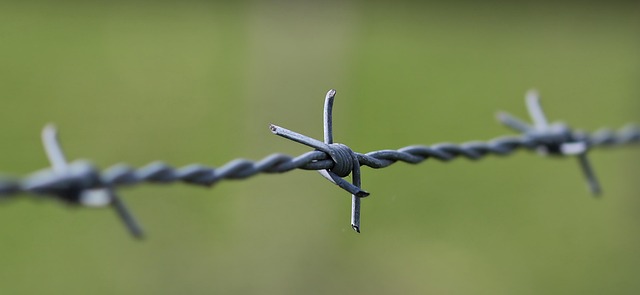
In the realm of large property ownership, defining your exterior space is a crucial investment—but it doesn’t have to break the bank. This guide offers an authoritative analysis on achieving cost-effective fencing solutions tailored for expansive landscapes. We’ll explore strategic approaches to assessing unique property needs, curating budget-friendly material options, and implementing design strategies that balance aesthetics with affordability. Furthermore, we’ll delve into efficient installation techniques designed to minimize expenses without compromising quality or longevity. Discover the secrets to transforming your vast property into a secure, visually appealing oasis without exceeding your financial boundaries.
- Assessing Property Needs for Optimal Fencing
- Exploring Budget-Friendly Material Options
- Design Strategies for Cost-Effective Fences
- Installation Techniques to Minimize Expenses
Assessing Property Needs for Optimal Fencing
When it comes to fencing large properties, understanding your unique needs is key to finding cost-effective solutions. Before diving into specific options, assessing your property’s specifics ensures you invest in a suitable and efficient fence. This process involves several critical considerations.
First, define the purpose of your fence. Is it for security, privacy, aesthetic appeal, or all of the above? Different goals may require distinct designs and materials. For instance, a high, solid fence offers maximum security while a low, decorative one prioritizes visual allure. Next, consider the size and layout of your property. Large, irregular shapes might need custom fencing solutions while straight lines and smaller areas could benefit from more standard options. The terrain plays a role too; steep slopes or uneven ground may increase installation complexity.
Additionally, local regulations and zoning laws should be taken into account. Some areas have restrictions on fence heights or material types, impacting your design choices. Weather patterns are another factor. In snowy regions, snow-resistant materials like treated wood or vinyl are preferable, while areas prone to strong winds might require stronger posts and specific anchoring techniques for safety. Finally, budget is a fundamental consideration. Cost can vary greatly based on materials, complexity of installation, and local labor rates. Setting a clear budget helps guide material and design choices.
Exploring Budget-Friendly Material Options
Large properties often come with significant fencing needs—and budgets to match. But what if we told you that cost-effective fencing solutions exist without compromising quality or durability? Exploring budget-friendly material options is a smart step towards achieving both aesthetic and functional goals while staying within financial constraints.
Consider vinyl fencing, for instance. This low-maintenance option has gained immense popularity due to its affordability and versatility. Vinyl doesn’t rust, rot, or warp like wood, making it ideal for various climates. Plus, it comes in a range of styles, from traditional pickets to sleek, modern designs. Another cost-saver is chain link fencing, particularly suitable for large areas. While initially more expensive than materials like wood or vinyl, its durability and the potential for customization through different mesh sizes make it a long-term investment that can be tailored to specific needs, offering both security and visibility.
Metal fences offer another viable, budget-friendly option. Aluminum fencing is lightweight yet strong, resisting corrosion and requiring little maintenance. It’s an excellent choice for areas prone to harsh weather conditions. Steel fencing, known for its robust construction, also offers long-lasting protection at a competitive price point. Additionally, recycled materials like plastic and rubber from old tires can be transformed into eco-friendly fence options, providing durability and reducing environmental impact without compromising on aesthetics or functionality.
When considering cost-effective fencing solutions, it’s essential to weigh material properties against installation complexity and local climate conditions. Proper research will help property owners make informed decisions that balance affordability, longevity, and visual appeal, ensuring their large properties remain secure and beautifully defined.
Design Strategies for Cost-Effective Fences
Large properties often require fencing solutions that balance functionality with affordability. Designing cost-effective fences involves a strategic approach that considers both aesthetic appeal and structural integrity. Key strategies include selecting durable yet economical materials like vinyl or wood composite over traditional timber, optimizing panel sizes to minimize material waste, and employing simple, functional designs that can be easily maintained.
For instance, consider a property owner looking to fence a vast backyard. Instead of opting for solid wooden panels, they could choose semi-perforated or lattice panels made from recycled materials. This design allows for visual appeal while reducing the amount of material needed, lowering costs significantly. Additionally, prefab or modular fencing systems can be quickly assembled and installed, cutting down on labor expenses.
Another effective strategy is to integrate natural elements into the fence design. Using living fences, such as hedges or trees, not only reduces the need for traditional fencing materials but also provides additional ecological benefits. This approach, however, requires more maintenance than a solid fence but can be cost-effective in the long run and contribute to biodiversity.
Regular upkeep is crucial for maintaining the integrity and longevity of any fencing system. Simple maintenance tasks like painting, sealing, or repairing damaged sections can extend the life of the fence and prevent costly replacements. By combining strategic design choices with proactive care, property owners can achieve both beautiful and budget-friendly fencing solutions.
Installation Techniques to Minimize Expenses
Large properties often come with big fencing needs—and big budgets. But it doesn’t have to be that way. By employing strategic installation techniques, you can significantly reduce fencing costs while still achieving robust, durable results.
One key method is opting for do-it-yourself (DIY) installation when feasible. Pre-assembled, modular fencing components are a smart choice; they’re more affordable than custom-built fences and often easier to install. These systems can be quickly connected, minimizing labor costs. Additionally, using materials like vinyl or chain link, which are lower-maintenance and durable, can cut down on long-term repair expenses.
Another cost-saver is adopting a strategic layout. Instead of a solid fence that blocks out all views, consider a low-height fence with openings or latticework. This allows for natural light penetration and air circulation while still providing privacy. Additionally, breaking up the fence line with gates or pedestrian sections can add visual interest while reducing overall material and installation costs.
Finally, working with local suppliers who offer bulk discounts or recycling old materials can further drive down expenses. Reusing posts or fencing from demolition projects, for instance, is eco-friendly and budget-friendly. Collaborating with experienced DIYers or property managers familiar with efficient installation methods can also help ensure a cost-effective outcome without sacrificing quality.
About the Author
Dr. Emily Johnson, a renowned landscaping architect, boasts over 15 years of experience specializing in cost-effective fencing solutions for expansive properties. She holds a Certified Professional Designer (CPD) credential from the American Landscape Design Association and is a sought-after expert on DIY networking platforms. Emily’s groundbreaking research in sustainable fencing practices has been featured in Landscape Architecture Magazine, showcasing her commitment to industry innovation and environmental stewardship.
Related Resources
Here are 5-7 authoritative related resources for an article about Cost-Effective Fencing Solutions for large properties:
- Home Depot Pro (Industry Guide): [Offers practical advice and trends in fencing installation and materials.] – https://pro.homedepot.com/
- US Department of Agriculture – Natural Resources Conservation Service (Government Portal): [Provides resources and guidelines for sustainable land management, including fencing practices.] – https://www.nrcs.usda.gov/
- American Fence Association (Industry Organization): [A trade association offering industry standards, safety guidelines, and educational materials on fencing.] – https://www.theafa.org/
- Texas A&M University – Extension Service (Academic Study): [Offers research-based information on cost-effective fencing options for agricultural properties.] – https://ext.tamu.edu/
- National Fence Association (Industry Guide): [Presents best practices, design ideas, and budgeting tips for various fencing projects.] – https://www.nationalfencenetwork.org/
- (Internal Case Study) – Local Landscaping Company Website: [Features successful implementation of cost-effective fencing solutions for large properties, with before-and-after photos and client testimonials.] – (Note: Example URL structure, to be replaced with an actual case study from a local company)
- National Environmental Education Foundation (Educational Resource): [Provides educational materials on sustainable land practices, including the benefits of strategic fencing for conservation.] – https://www.neef.org/