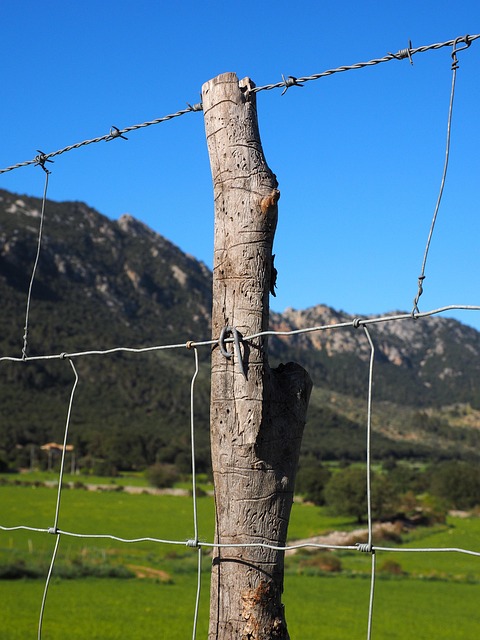
Seeking a Secure, Affordable Fence for Your Vast Property?
Large properties present unique challenges when it comes to fencing. This article is your comprehensive guide to cost-effective fencing solutions tailored for expansive landscapes. We’ll delve into understanding specific needs, exploring a range of budget-friendly materials and designs, providing expert installation tips for longevity and maximizing savings, and sharing essential maintenance strategies to extend the life of your fence while keeping costs low. Discover how to secure your space without breaking the bank.
- Understanding Cost-Effective Fencing Needs for Large Properties
- Exploring Budget-Friendly Fence Materials and Designs
- Installation Tips for Maximizing Longevity and Savings
- Maintenance Strategies to Extend Fence Life and Keep Costs Low
Understanding Cost-Effective Fencing Needs for Large Properties
Large properties come with unique fencing challenges, often requiring solutions that balance strength, security, and affordability. Understanding the specific needs of such spaces is key to selecting cost-effective options that endure. Factors like perimeter length, terrain irregularity, desired privacy levels, and local climate all play a role in determining suitable fence materials and designs.
For instance, while a smooth, uniform fence might be aesthetically pleasing for shorter boundaries, complex topographies may necessitate custom-fit, flexible fencing solutions to navigate uneven ground. Additionally, considerations like security measures, such as incorporating electric fencing or robust locking mechanisms, impact both the choice of materials and overall budget.
Exploring Budget-Friendly Fence Materials and Designs
When considering fencing for large properties, exploring budget-friendly materials and designs can significantly reduce costs without compromising quality or aesthetics. Common fence materials like wood, while popular, can be expensive due to maintenance requirements. Instead, consider alternative options such as vinyl, which is low-maintenance, durable, and often more cost-effective in the long run. Metal fences are another durable choice, offering both security and a modern look at a competitive price point.
Designs play a crucial role too. Simple, straight-line fences are generally less costly to install than intricate, custom designs. Pre-fabricated panels can be quickly assembled, reducing labor costs. Additionally, opting for a solid color or basic pattern can minimize material wastage and keep expenses down. Remember, an attractive, functional fence doesn’t always require complex aesthetics; sometimes, simplicity is the key to both beauty and affordability.
Installation Tips for Maximizing Longevity and Savings
When installing a fence on a large property, proper planning and technique are key to maximizing both longevity and cost savings. One crucial tip is to prepare the ground thoroughly; this involves clearing away any debris, leveling the surface, and ensuring good drainage to prevent water damage over time. A solid foundation is essential for preventing rot and maintaining the fence’s structural integrity.
Another important aspect is choosing the right materials and methods for your climate and local conditions. For instance, in areas prone to harsh weather, opt for treated wood or durable vinyl that can withstand the elements. Consider post spacing as well; adequate spacing ensures stability while also reducing material costs. Regular maintenance, such as cleaning, sealing, and repairing any issues promptly, will further extend the fence’s lifespan, saving you money in the long run.
Maintenance Strategies to Extend Fence Life and Keep Costs Low
Regular maintenance is key to extending the life of your fence and keeping costs low in the long run. A simple cleaning routine, including brushing away dirt and debris, can prevent damage caused by built-up grime or plant growth. Inspecting the fence for any signs of wear and tear, such as loose posts or damaged panels, allows for prompt repairs, averting more extensive work later.
Additionally, applying a fresh coat of paint or sealant every few years can protect the fence from elements like rain and sunlight, preserving its structural integrity. Consider using long-lasting, low-maintenance materials where possible to further reduce future repair needs.